Acne Is More Than Pimples: Why Early Treatment Prevents Lifelong Scars
Acne is not just a teenage rite of passage. It is a medical condition that deserves early, effective treatment before it leaves a lifetime of physical and emotional scars.
For many people, acne is dismissed as something they simply have to “grow out of.” Friends offer home remedies, social media promotes miracle products, and well-meaning family members insist that it will disappear with age.
Unfortunately, this common belief often delays the treatment that could have prevented permanent scarring.
In my practice, I frequently meet patients who are no longer struggling with active acne, yet they continue to battle the scars it left behind years later. Some have spent decades trying to hide their skin with makeup, avoiding photographs or feeling self-conscious in professional and social settings.
The heartbreaking reality is that many of those scars could have been prevented with early intervention.
Acne is far more than a cosmetic concern. It is a chronic inflammatory skin condition, and like any inflammatory disease, the sooner we treat it, the better the long-term outcome.
Acne Is One of the World’s Most Common Skin Conditions
Acne affects millions of people across the globe and is one of the most common reasons people visit a dermatologist or aesthetic practitioner.
Although it is most common during adolescence, acne does not discriminate by age.
Many adults continue to experience breakouts well into their thirties, forties and even fifties. In fact, adult acne, particularly among women, has become increasingly common.
Hormonal fluctuations, chronic stress, genetics, certain medications and lifestyle factors can all contribute to persistent acne.
The important thing to understand is this:
Acne is not caused by poor hygiene.
You cannot scrub it away.
What Actually Causes Acne?
Healthy skin constantly produces sebum, an oily substance that helps protect and moisturise the skin.
Problems begin when several factors occur at the same time:
- Excess oil production
- Blocked hair follicles
- Dead skin cell build-up
- Overgrowth of acne-causing bacteria
- Inflammation beneath the skin
This combination leads to the formation of blackheads, whiteheads, inflamed pimples and painful cysts.
While the blemishes are visible on the surface, much of the damage is happening underneath the skin long before a pimple appears.
Why Inflammation Matters
One of the biggest misconceptions about acne is that people focus only on the pimple they can see.
The real concern is inflammation.
Every inflamed lesion has the potential to damage the collagen and supporting structures beneath the skin.
The deeper and more severe the inflammation, the greater the risk of permanent scarring.
This is why painful cystic acne often leaves deeper scars than smaller whiteheads.
By controlling inflammation early, we can significantly reduce long-term skin damage.
The Emotional Impact Runs Deeper Than Skin
Acne affects far more than appearance.
Research consistently shows that people living with acne are more likely to experience:
- Low self-esteem
- Social anxiety
- Reduced confidence
- Depression
- Withdrawal from social situations
- Poor body image
Teenagers may avoid school activities or photographs.
Adults may feel uncomfortable during work presentations, interviews or important life events.
Many patients tell me they remember every hurtful comment made about their skin, even years later.
Treating acne is not about vanity.
It is about restoring confidence, emotional wellbeing and quality of life.
Why Waiting Can Make Things Worse
Many people delay treatment because they hope acne will improve on its own.
Others spend months—or even years—trying every product recommended online.
Unfortunately, time is not always on your side.
The longer inflammation continues, the greater the likelihood of:
- Permanent acne scars
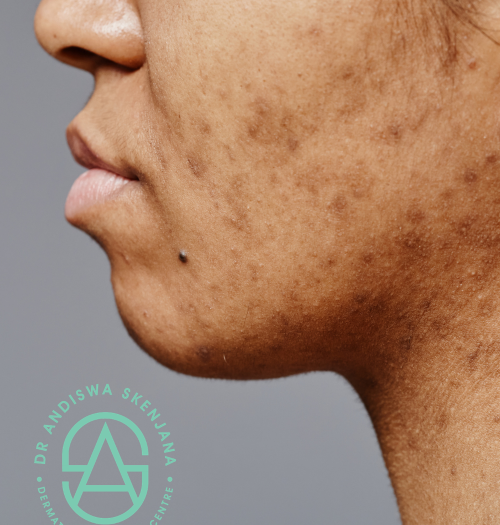
- Dark pigmentation marks
- Ongoing redness
- Enlarged pores
- Persistent breakouts
- More complex treatment later
Treating established acne scars is often far more challenging than treating active acne.
This is why early medical intervention is always the better investment.
Not All Acne Is the Same
Acne exists on a spectrum, and each type requires a different approach.
Mild Acne
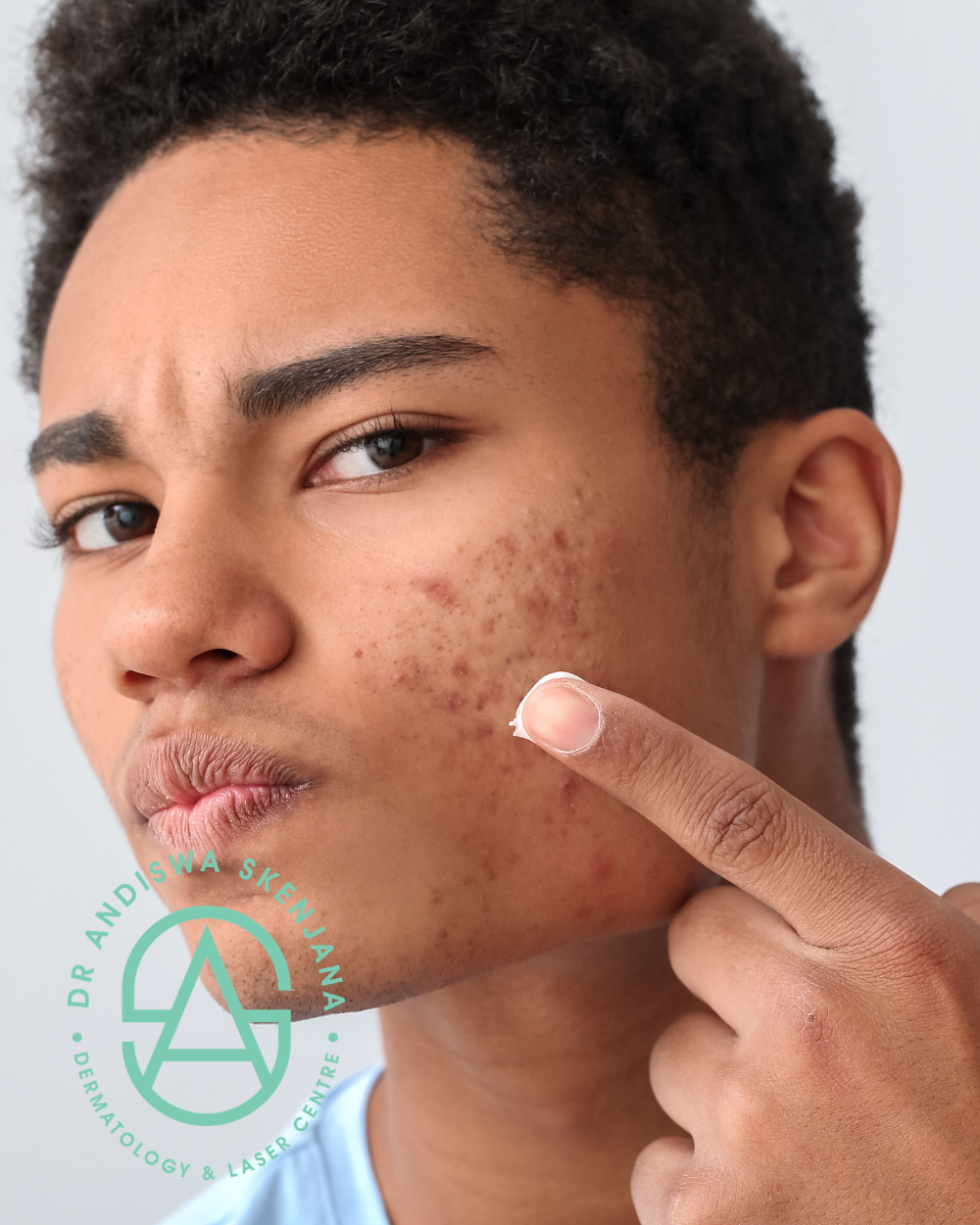
Usually consists of blackheads and whiteheads with occasional inflamed pimples.
Early treatment can often prevent progression.
Moderate Acne
Includes larger numbers of inflamed pimples and pustules.
Professional treatment becomes increasingly important to reduce inflammation and prevent scarring.
Severe or Cystic Acne
Large, painful nodules develop deep beneath the skin.
This type of acne carries the highest risk of permanent scarring and should be treated promptly by an experienced medical professional.
Why Self-Treatment Often Falls Short
The skincare industry offers countless products claiming to “cure” acne.
While some over-the-counter products can help mild cases, many people unknowingly combine harsh ingredients that damage the skin barrier and worsen irritation.
Others frequently change products before giving them enough time to work.
Successful acne management requires understanding the underlying cause rather than simply treating the visible pimples.
For some patients, hormones are the primary driver.
For others, genetics, inflammation or lifestyle factors play a greater role.
There is no one-size-fits-all solution.
A Comprehensive Approach to Acne Treatment
Modern acne treatment goes far beyond simply drying out pimples.
A personalised treatment plan may include:
Medical-Grade Skincare
Evidence-based ingredients help regulate oil production, reduce inflammation and improve skin renewal while protecting the skin barrier.
Prescription Medication
Some patients benefit from prescription creams, oral medication or hormonal therapies depending on the severity and underlying cause of their acne.
Chemical Peels
Professionally performed peels can help reduce blocked pores, improve pigmentation and support healthier skin turnover.
Laser and Light-Based Treatments
Advanced technologies can reduce inflammation, improve acne scars and stimulate collagen production after active acne has been controlled.
Microneedling
Once acne is under control, microneedling encourages collagen production and gradually softens acne scars by helping the skin repair itself naturally.
Lifestyle Support
Sleep, nutrition, stress management and consistent skincare all contribute to healthier skin and better treatment outcomes.
The goal is not simply to stop today’s breakout.
It is to protect tomorrow’s skin.
What About Acne Scars?
Even after active acne has resolved, many patients remain distressed by the scars it leaves behind.
Acne scars develop when inflammation destroys collagen beneath the skin.
Some scars appear as small depressions, while others create uneven texture or raised areas.
Fortunately, advances in regenerative aesthetics now offer effective options for improving scar appearance.
Treatments such as:
- Microneedling
- Fractional laser resurfacing
- Radiofrequency microneedling
- Collagen-stimulating therapies
- Chemical reconstruction techniques
can significantly improve skin texture over time.
However, prevention remains far easier than correction.
The Earlier You Start, the Better the Outcome
One of the most rewarding parts of treating acne is seeing patients regain their confidence.
When treatment begins early, we are often able to:
- Reduce inflammation quickly
- Prevent permanent scarring
- Minimise pigmentation
- Improve skin texture
- Restore healthy skin function
- Protect long-term skin health
The sooner we intervene, the more options we have and the better the results tend to be.
Final Thoughts
Acne is not “just pimples.”
It is a medical condition that can leave lifelong physical and emotional scars if left untreated.
The good news is that modern medicine offers more effective treatment options than ever before. With an accurate diagnosis, personalised care and early intervention, most people can achieve healthier skin while preventing permanent damage.
If your acne is affecting your confidence, causing pain or leaving marks behind, don’t wait for it to become someone else’s future problem.
Healthy skin is built through early action, not delayed hope.
Because every pimple eventually fades.
A scar can last a lifetime.
And that’s exactly why early treatment matters.
You May Also Like