Why Your Skin Is Pigmenting: The Hidden Link Between Stress, Hormones and Hyperpigmentation
Have you ever looked in the mirror and wondered why those dark marks simply refuse to fade?
Perhaps you’ve invested in expensive brightening creams, tried every “miracle” serum recommended on social media, or religiously followed a skincare routine, only to find that your pigmentation keeps returning. It can be frustrating, disheartening and, for many people, a real blow to their confidence.
As a Specialist Dermatologist, I see this story almost every day.
One of the biggest misconceptions about hyperpigmentation is that it is simply a skin problem. In reality, your skin is often reflecting what is happening beneath the surface. Pigmentation is not just about melanin. It is influenced by stress, hormones, inflammation, sun exposure and even the way we respond emotionally to our skin concerns.
The good news is that understanding why your skin is pigmenting is the first step towards treating it successfully.
What Is Hyperpigmentation?
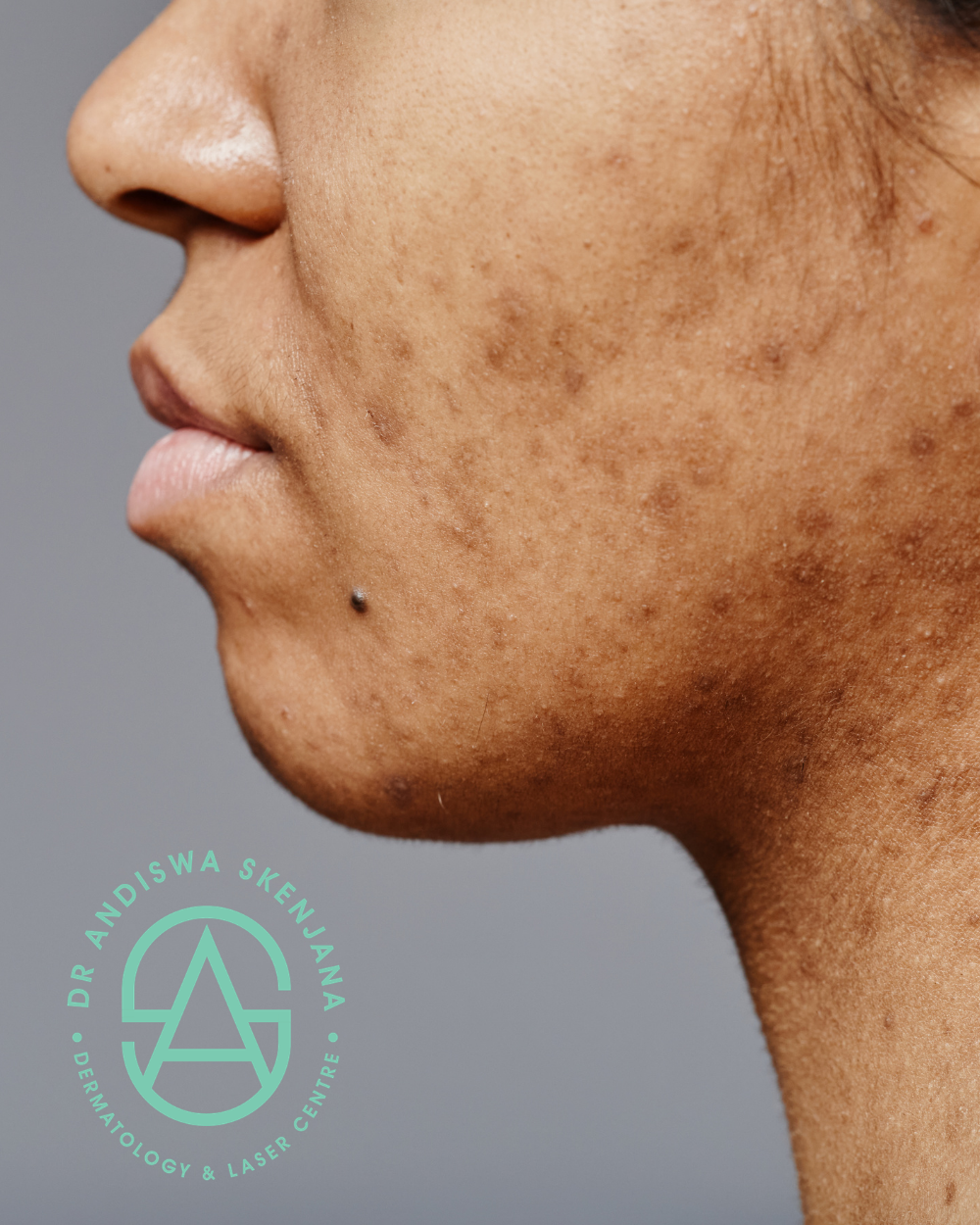
Hyperpigmentation refers to areas of skin becoming darker than the surrounding skin due to increased production of melanin, the pigment responsible for giving our skin, hair and eyes their colour.
It can appear as:
- Melasma
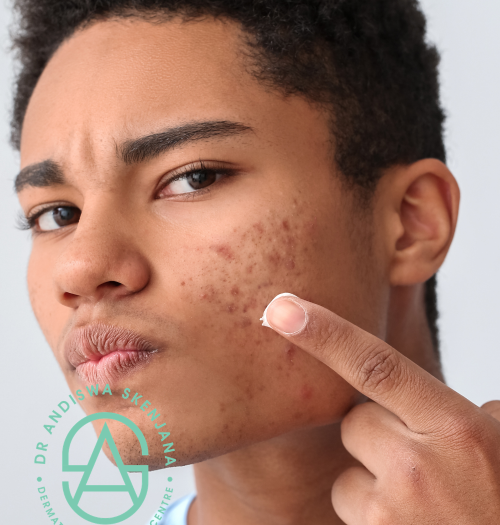
- Post-inflammatory hyperpigmentation following acne
- Sunspots
- Uneven skin tone
- Dark marks after eczema or skin irritation
For people with darker skin tones, including many South Africans, hyperpigmentation is one of the most common reasons for visiting a dermatologist. The very cells that help protect our skin from the harmful effects of ultraviolet radiation are also more likely to produce excess pigment when they become overactive.
Your Skin Is Smarter Than You Think
Our skin is not simply a protective covering. It is one of the most intelligent organs in the body.
Every day it responds to internal and external signals. Sunlight, pollution, hormones, inflammation, emotional stress and even poor sleep all influence how your skin behaves.
Many people are surprised when I explain that pigmentation is often the skin’s protective response rather than the problem itself.
When your skin perceives stress or injury, it activates complex biological pathways designed to protect you. One of those protective mechanisms is increased melanin production.
Unfortunately, while melanin protects the skin, it can also leave behind stubborn pigmentation that lingers long after the original trigger has disappeared.
The Hidden Role of Stress
We often think of stress as something that affects the mind.
Your skin tells a different story.
When you experience prolonged psychological stress, your brain activates what doctors call the hypothalamic-pituitary-adrenal (HPA) axis. This sophisticated communication system releases cortisol, commonly known as the stress hormone.
While cortisol is essential for survival, chronically elevated levels begin to affect almost every organ in the body, including your skin.
High cortisol levels can:
- Increase inflammation
- Weaken the skin barrier
- Delay skin healing
- Increase sensitivity to ultraviolet light
- Stimulate pathways involved in melanin production
The result?
Pigmentation that becomes darker, more persistent and increasingly difficult to treat.
This explains why many patients notice that their melasma worsens during periods of emotional stress, demanding work schedules, examinations, financial pressure or significant life events.
Your skin is not imagining it.
It is responding exactly as biology intended.
Why Hormones Matter
Hormones and pigmentation have a remarkably close relationship.
Many women first notice pigmentation during pregnancy, while taking hormonal contraception or during perimenopause.
These hormonal changes increase the sensitivity of melanocytes, the specialised cells responsible for producing melanin.
Once stimulated, these cells can overreact to even minimal sun exposure.
This is why melasma is sometimes called the “mask of pregnancy”, although it affects many women who have never been pregnant.
Hormones alone, however, rarely tell the whole story.
When hormonal fluctuations combine with stress, inflammation and ultraviolet exposure, pigmentation becomes far more difficult to control.
Inflammation Leaves a Lasting Memory
One of the greatest myths in skincare is that once a pimple has healed, the problem is over.
Unfortunately, that is often only the beginning.
Every inflammatory skin condition has the potential to leave behind pigmentation.
This includes:
- Acne
- Eczema
- Skin injuries
- Insect bites
- Aggressive cosmetic treatments
- Picking or squeezing pimples
In darker skin tones especially, inflammation stimulates melanocytes to produce excess pigment long after the skin appears healed.
This condition, known as post-inflammatory hyperpigmentation, can persist for months or even years if left untreated.
One of the most important pieces of advice I give my patients is simple:
Stop picking your skin.
Every squeeze, scratch and attempt to “fix” a blemish increases inflammation and significantly raises the risk of long-term pigmentation.
The Sun Is Only Part of the Story
Most people know that sunlight worsens pigmentation.
What many don’t realise is that even brief daily exposure can reactivate melanocytes.
Driving to work.
Walking from the car park.
Sitting near a window.
These seemingly harmless moments accumulate over time.
For this reason, sunscreen is not an optional extra when treating pigmentation.
It is one of the most important treatments available.
Broad-spectrum SPF 50 sunscreen should be applied every morning and reapplied throughout the day when spending time outdoors.
Without consistent sun protection, even the most advanced treatments will struggle to deliver lasting results.
Why Over-the-Counter Products Often Fail
The skincare industry is overflowing with products promising brighter, clearer skin.
Many contain excellent ingredients.
The problem is not always the product.
It is the diagnosis.
Pigmentation is not one condition.
Melasma requires a different approach from acne pigmentation.
Sun damage differs from inflammatory pigmentation.
Hormonal pigmentation behaves differently from pigment caused by eczema.
Without understanding the underlying cause, treating pigmentation becomes little more than guesswork.
This is why professional assessment matters.
Evidence-Based Treatment Makes the Difference
At Dr Andiswa Skenjana Dermatology, every treatment plan begins with understanding the individual behind the pigmentation.
No two patients are the same.
Depending on your diagnosis, treatment may include advanced medical-grade chemical peels such as Melanostop Peel, BioRePeelCl3® or carefully selected NeoStrata® peels to improve skin renewal and reduce excess pigmentation.
Prescription skincare may include scientifically proven ingredients that regulate melanin production while improving overall skin health.
For patients with stubborn pigmentation, combination treatments such as microneedling, PRX Plus® biorevitalisation and regenerative therapies may help stimulate healthier skin while improving treatment outcomes.
The goal is never simply to lighten dark marks.
It is to restore healthy skin function.
Healthy skin naturally becomes brighter, stronger and more resilient.
Healthy Skin Is Beautiful Skin
One of the greatest privileges of being a dermatologist is seeing confidence return as skin begins to heal.
Patients often tell me they feel comfortable leaving the house without makeup for the first time in years.
They smile more.
They stop hiding from photographs.
They rediscover the confidence they thought they had lost.
That transformation is never just about appearance.
It is about quality of life.
When Should You See a Dermatologist?
If your pigmentation:
- continues to worsen despite using skincare products
- keeps returning after treatment
- developed during pregnancy or hormonal changes
- follows acne or skin inflammation
- affects your confidence or emotional wellbeing
it is time to seek specialist advice.
The sooner pigmentation is treated correctly, the better the long-term outcomes.
Final Thoughts
Hyperpigmentation is rarely caused by one factor alone.
Stress, hormones, inflammation, genetics and ultraviolet exposure all work together in ways that are often invisible to the naked eye.
Your skin is not working against you.
It is responding to the world around you and the biology within you.
When we understand those signals, we can move beyond simply treating dark marks and begin restoring the health of the skin itself.
Because healthy skin isn’t about chasing perfection.
It is about caring for your skin with evidence-based treatments, expert guidance and patience.
At Dr Andiswa Skenjana Dermatology, our philosophy is simple:
Healthy Skin. Beautiful Skin. Confident Skin.
If you’re struggling with persistent pigmentation, book a personalised consultation. Together, we’ll identify the underlying cause, develop a treatment plan tailored to your skin and help you achieve healthier, more radiant skin with results that last.
You May Also Like